



The hobby of collecting can be a great way to create a sense of purpose and enjoyment while also reducing stress. Something every collector will experience is the fear of damage or deterioration of their beloved collectables. When collecting items such as stamps, buttons, art, jewellery or more, storage is key to ensuring the longevity of your collection.
This article will provide you with a complete guide on how to store collectables, from stamps and buttons to coins and vinyls. From covering the basics of storage to how to store specialist items, we will ensure your collectables remain in top condition.
The basics of storing collectables
Before we get into the details of storing specialist items, let’s go through the basics of how to store collectables safely. First of all, it is important to ensure the environment is suitable for the item. Environments that are stable and cool are ideal, so avoid storing your precious collectables in basements or attics, where temperatures can vary. It is also important to ensure your items are stored in an area that isn’t overly humid to avoid the risk of mould developing or items warping.
Another key thing to remember when storing collectables is to ensure they are protected by using acid-free materials and safe plastics. Using non-archival cardboard, paper, and plastic can slowly damage the items over time. As well as using archival materials to store your collectables, try to minimise handling as much as you can and always wear gloves.

How to store specialist collectables
From jewellery and stamps to buttons and vinyls, we’ll provide you with all the top tips on how to store collectables to keep them safe and preserve their condition for years to come.
How to store jewellery
When it comes to learning how to store jewellery, the key is to consider what each piece is made from. Different metals and stones have unique needs. For example, silver is prone to tarnishing when exposed to air, so it’s a good idea to store it with anti-tarnish strips or in special anti-tarnish cloths.
To prevent scratches and nicks, keep your pieces from touching each other. Using individual pouches or a jewellery box with separate compartments lined with a soft material like velvet or felt is a great way to protect them.
For delicate or antique items, such as those with pearls or certain porous stones, you need to be especially careful. These pieces often need some air and humidity and can be damaged if stored in a completely sealed, dry environment.
How to store vinyls
When learning how to store vinyls, the most important rule is to always store records vertically, like books on a shelf. Stacking them horizontally can cause warping over time.
For extra protection, consider upgrading your inner sleeves. Many older records came with basic paper sleeves, which can scratch the vinyl. Swapping these for anti-static poly-lined inner sleeves can make a huge difference.
To protect the album artwork from dust and shelf wear, use archival plastic outer sleeves. Lastly, be mindful of where you keep your collection. Always store your records away from heat sources and direct sunlight, as both can easily damage the vinyl.
How to store coins
Air and moisture are the biggest enemies of metallic currency. When looking into how to store coins, you should always use supplies made from inert materials that won’t react with the metal.
Good storage options include archival flips, specially designed coin slabs, or albums with acid-free pages. One of the most important rules for any coin collector is to never clean collectible coins. Cleaning can significantly devalue a coin by removing its natural patina and can even cause permanent scratches.
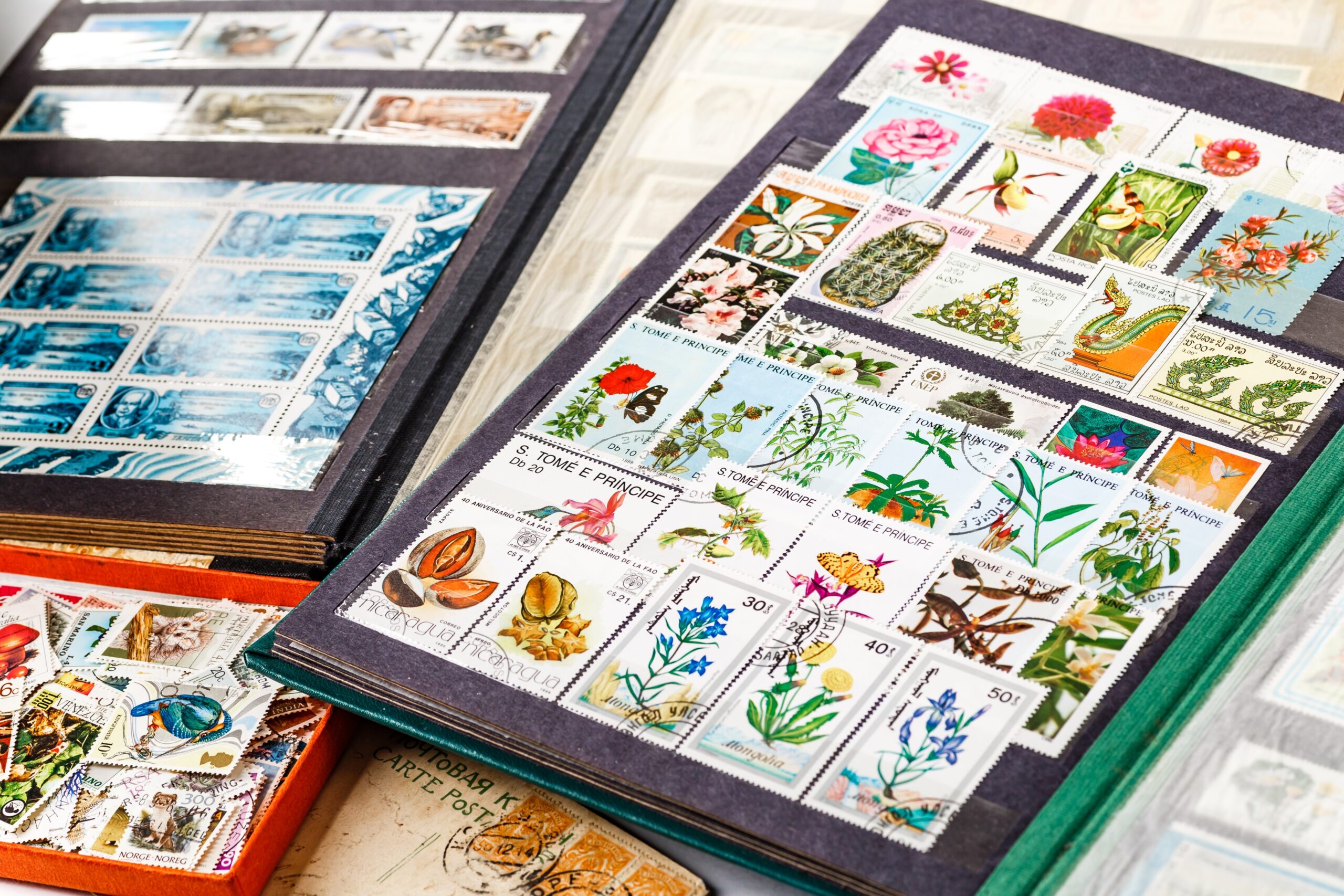
How to store stamps
When handling stamps, it is essential to use a pair of stamp tongs. This prevents the oils from your fingers from damaging the stamp’s surface and gum.
When it comes to mounting, you have a couple of options. Hinging involves using a small piece of special paper to attach the stamp to an album page. However, for more valuable or mint-condition stamps, mounts are a better choice. They are clear pockets that hold the stamp securely without touching the gum, ensuring it remains in its original, pristine condition. Always use archival, acid-free stock books and albums when learning how to store stamps to ensure long-term preservation.
How to store art
For unframed prints and photos, the best way to store them is to lay them flat in an acid-free portfolio. To prevent any damage or rubbing between layers, place a sheet of glassine or archival tissue paper between each print.
When looking into how to store art, the materials used are just as important as the storage location. Proper framing should include UV-filtering glass to protect the image from fading and acid-free matting to prevent discolouration. Always hang or store framed art away from direct sunlight to preserve the colours and paper.
How to store buttons
To prevent scratching and rusting, it’s a good idea to separate buttons, especially if they are made from different materials. You can do this by using a compartmentalised box, small acid-free envelopes, or even by mounting them on archival cards. This also makes them much easier to organise and find later on.
When it comes to learning how to store collectables, preservation is a simple but ongoing process. Make sure you check on your items every now and then to ensure they are in the best condition possible. Here at Magenta Self Storage, our storage units provide a safe and controlled environment for your collection. Contact our team today for a free quote and keep your treasured items safe.