


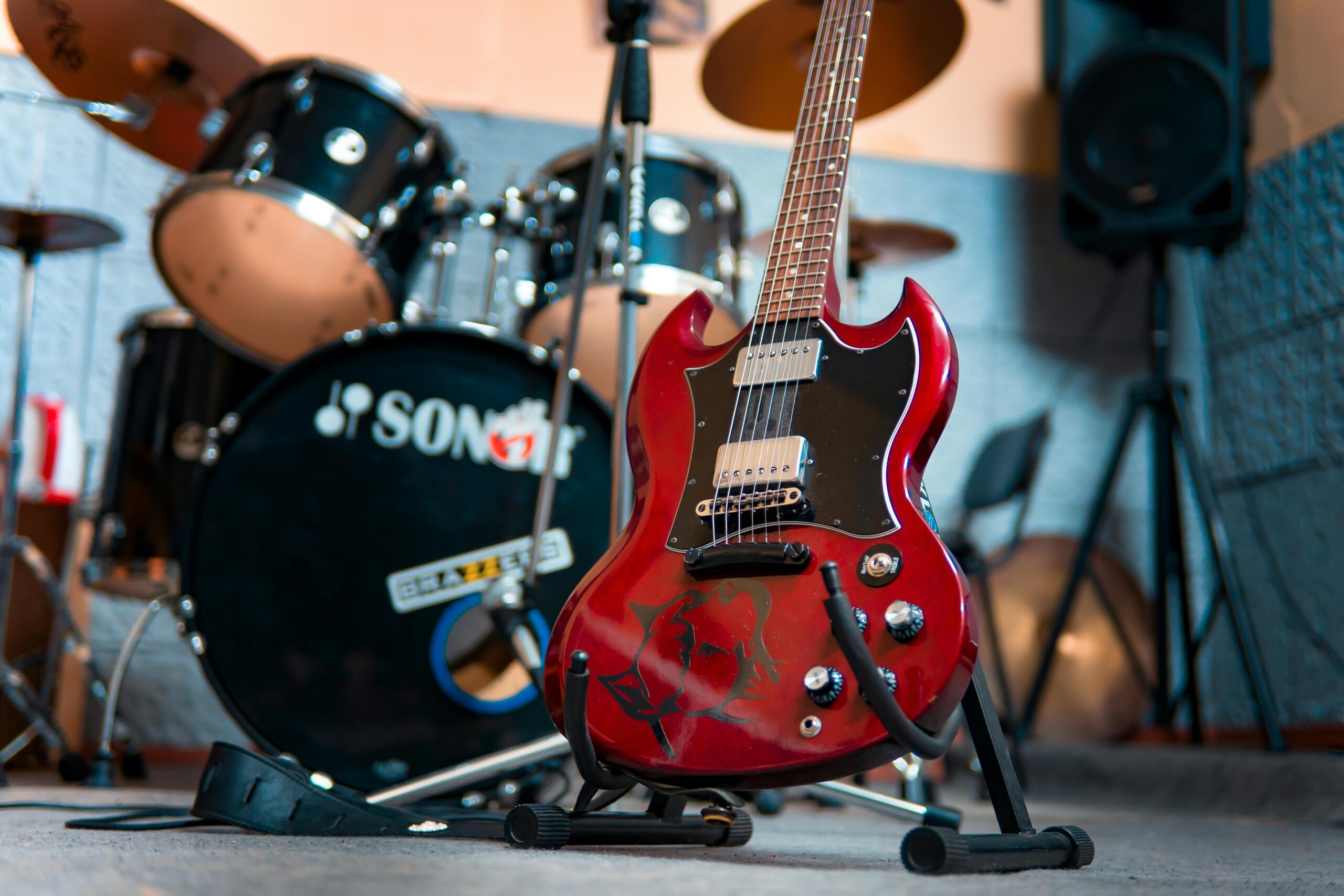
Musical instruments are more than just tools; they are often significant investments and prized possessions. Whether you are a professional musician or a casual hobbyist, knowing how to store your instruments when they are not in use is vital for their longevity. Proper storage prevents warping, cracking, and mechanical failure. This ensures your instrument sounds just as good in ten years as it does today.
The basics on how to store instruments
The most important factor in instrument storage is the environment. Most instruments are made of organic materials like wood, leather, and felt. These materials can react to changes in the atmosphere. You should always aim to keep your instruments in a room with a stable temperature and a humidity level between forty-five and fifty-five per cent.
Avoid storing items in lofts, garages, or basements, as these areas are prone to extreme temperature shifts and dampness. If a room feels uncomfortable for a human, it is likely unsuitable for an instrument. Additionally, keep your gear away from direct sunlight, radiators, and air conditioning vents. This helps to prevent the materials from drying out or expanding too rapidly.

How to store a guitar
When it comes to learning how to store a guitar, it is important to understand that they are particularly sensitive to their surroundings. This is because of the tension held in the strings and the thinness of the wood used in their construction. Following a few specific steps will keep your guitar in top playing condition.
Use a hard-shell case
While it is tempting to keep your guitar on a wall hanger or a floor stand for easy access. The safest place for long-term storage is a high-quality hard-shell case. A case acts as a microenvironment, buffering the instrument against sudden changes in humidity and protecting it from physical knocks or dust.
Maintain proper tension
If you are putting a guitar away for several months, it is wise to loosen the strings slightly. You do not need to remove them entirely, as the neck requires some forward tension to remain straight, but dropping the pitch by a tone or two relieves the stress on the bridge and the nut.
Humidity control
For acoustic guitars especially, using an in-case humidifier is a wise move during winter months when central heating dries out the air. Conversely, if you live in a very humid climate, silica gel packets can help absorb excess moisture.
Clean before storing
Always wipe down the strings and the fretboard with a lint-free cloth before closing the lid. Sweat and oils from your fingers can corrode the frets and deaden the strings if left to sit for long periods.
How to store a ukulele
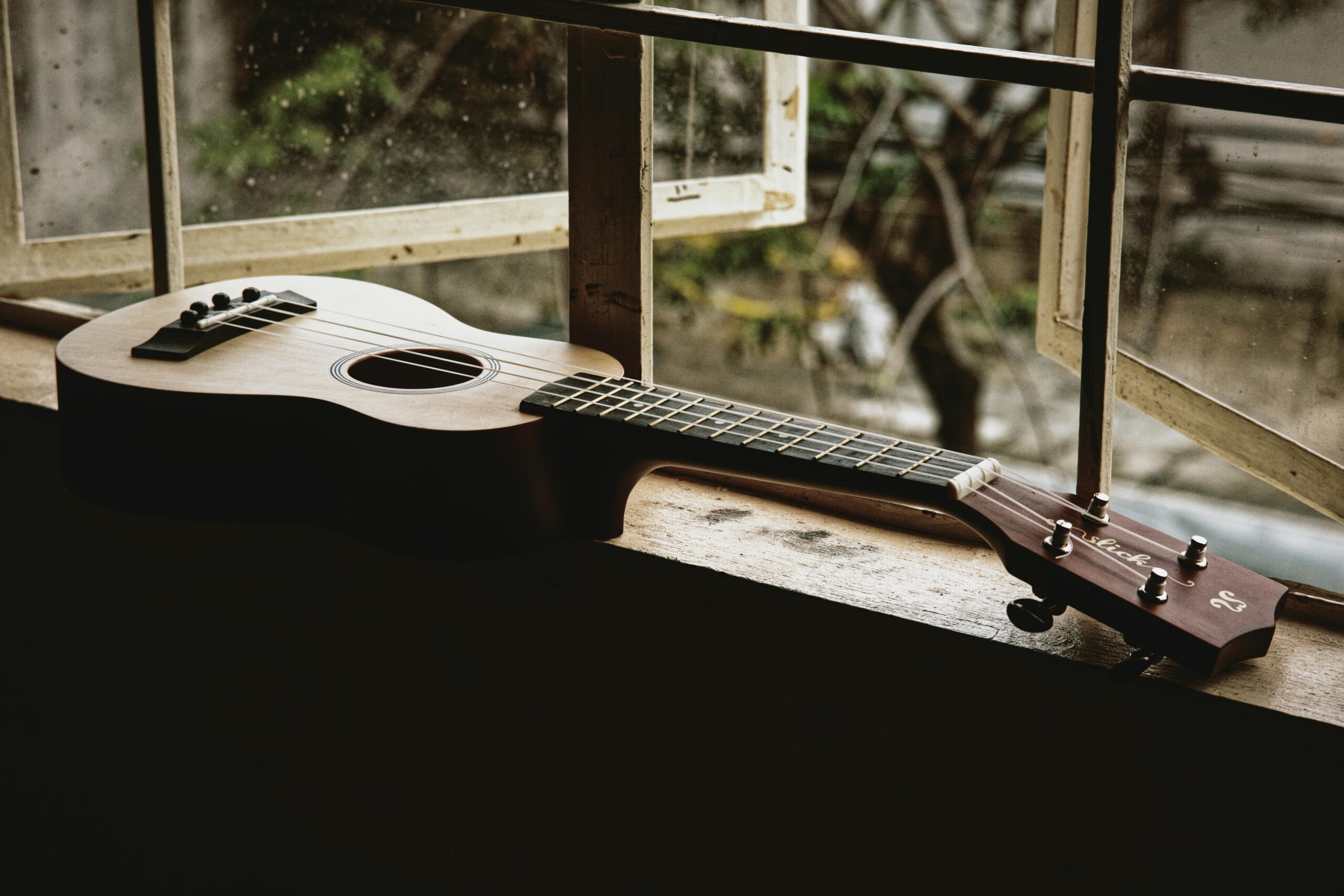
Ukuleles are lightweight and delicate, making them prone to cracking if the air becomes too dry. Much like guitars, they should be kept in a padded gig bag or a hard case rather than left leaning against a wall. Because they are small, it is easy to tuck them into a wardrobe or under a bed, provided the area is well ventilated and away from external walls that might hold a chill.
How to store a banjo
Banjos are heavy and under immense structural tension due to the drum-like head and the metal rim. When storing a banjo, it is best to keep it flat on its back rather than standing upright, as this prevents any unnecessary pressure on the neck joint. Ensure the head is properly tensioned before storage; if it is too loose, the bridge may shift or the wood may settle in an undesirable position. A sturdy case is essential to support the weight of the resonator and protect the hardware from tarnishing.

How to store instruments in a storage unit
If you find that your collection is outgrowing your home or you simply cannot maintain a consistent environment, professional self-storage is an excellent solution. Many people choose self storage units to keep their instruments safe during house moves, renovations, or long periods of travel.
Our self storage units are designed to stay within the ideal temperature and humidity ranges, meaning you won’t have to worry about the wood on your guitar splitting or your banjo hardware rusting due to damp conditions. It also keeps your valuable equipment out of sight and secured by high-level alarm systems, providing peace of mind that your instruments are protected from both the elements and any potential theft.
Here are some top tips for how to store your instruments in our units:
- Use breathable covers for extra protection
- Avoid plastic bags, which can trap humidity
- Add silica gel packs to remove moisture
- Use hard shell cases
- Clean and oil your instruments in preparation
- Check in periodically for any damage
Now you know how to store instruments; contact our friendly team today and get a quote for a self-storage unit designed to keep your instruments safe at all times.