



When you think of a ‘minimalist home’, do you think of clean lines, open space, and a very pared-back approach to home decor? For years, minimalism has been the trademark for high-end interiors, neutral colour palettes, and a polished, magazine-ready look – and it still very much is.
In 2026, the conversation is shifting. Minimalism is less about owning as little as possible and more about ‘intentional essentialism’ – keeping fewer things, but choosing better ones. Think of items that earn their place through real use, comfort or meaning, smart-home integration and dedicated tech-free zones.
If decluttering feels overwhelming, you’re not alone. But you don’t need to tackle everything at once. Our guide breaks it down into manageable steps, so you can create a calmer home without losing warmth or personality. If you’re wondering how to create a minimalist home in 2026, you’re in the right place.
And don’t forget – if you need breathing room while you sort, a short-term self storage unit can act as your decluttering buffer, keeping your home liveable while you make decisions at your own pace.
What is ‘intentional essentialism?’
‘Intentional essentialism’ as a concept goes far beyond decluttering our homes. It’s a philosophy popularised by Greg McKeown’s book ‘Essentialism’ that focuses on choosing to only do what is truly important, rather than trying to do everything. It teaches saying no to the trivial many and yes to the vital few in a bid to make conscious, disciplined decisions that feed into a ‘less but better’ ideal.
So, apply this to your home in 2026. What does this look like? In a nutshell: function, calm and purpose. Intentional essentialism is less about achieving that stark, bare room and more about prioritising what matters most. Ensure that every item in your home is a conscious and intentional choice and that when you’re investing in new items, they are high-quality, timeless, functional and meaningful. Quality over quantity!
Not only will this make your space feel clearer, but it should have a knock-on effect on your mindset. Life is full of noise – emails, social media, endless information. Your home might just be adding to this. By removing physical clutter that obstructs your life, you remove the mental clutter too.
When you apply this mindset day-to-day, creating a minimalist home becomes less about perfection and more about clarity.
How to create a minimalist home
Creating a minimalist home doesn’t have to mean stripping your space back to the bare minimum. It’s about making your home work better for you and making your day-to-day life feel lighter.
This guide to how to create a minimalist home is built around intentional essentialism, so it feels realistic rather than restrictive. Let’s talk about how you can make smart choices about what stays, what goes, and how your space can support calmer routines, including the tech you keep and the zones you protect from it.
Set your objectives and intentions
Everyone will have slightly different desires when it comes to decluttering. It’s a good idea to ask yourself a few key questions before you get started to define what decluttering might look like for you. For example:
- What matters to you in life? Is it your health, sleep and movement? Do you crave connection and welcoming your friends into your home? Is a low mental load your key to contentment?
- How do you want your house to be? Functional? Calm and clear? Family-friendly and orientated?
- What do you want to feel in your house? Perhaps you want to feel you can exhale as soon as you walk through the door. Perhaps you want your space to energise and inspire you. Or maybe a lived-in and joyful home is your priority.
The zone-by-zone approach
When actually beginning your decluttering mission, it makes sense to go room-to-room, but even this can often feel overwhelming. One of the most effective methods for how to create a minimalist home is working room-by-room, then breaking each room into zones to avoid getting yourself into a ‘worse before it gets better’ situation.
Let’s say, for instance, you start in your living room. Perhaps you begin with only a storage dresser, or only with the coffee table. Empty everything and create ‘yes’, ‘no’ and ‘maybe’ piles. Make sure that any duplicate items go straight into the ‘no’ pile and mentally make a note to adopt a ‘one-in-one-out’ system.
And remember – only move onto the next zone when you’ve completed the one before!
Putting each item to the test
Next, it’s time to assess each item before deciding whether it retains its place in your home. This is the backbone of creating a minimalist home that stays calm long-term, not just for a week.
To do so, ask yourself these questions:
- Does it earn its space? Both in functionality, purpose and bringing joy to you and your home?
- Does it reduce friction? If it saves you time, stress and decision fatigue, then keep it!
- Does it integrate? Items should be able to fit seamlessly into both your storage systems and your routines.
Starting with the essentials and no-brainers that support your lifestyle, begin putting things back in their place. Think hard about anything that you feel you’re holding on to ‘just in case’.
Intentional essentialism isn’t only about what you own. It’s also about what you choose to keep within arm’s reach. Some items are worth keeping, but don’t need to live in your everyday space. A ‘keep, but not here’ category can help. Think seasonal gear, occasional-use items, sentimental items or bulky furniture that you’re not ready to part with. Storing these securely off-site can make your home feel clearer without forcing rushed decisions.

Devise a plan of action for your ‘no’ items
A barrier for many people with decluttering comes from waste and fear. The thought that you can’t possibly get rid of something because it might end up in landfill can stop you from putting something into that ‘no’ pile.
However, it’s not useful to anyone to keep something out of guilt. Most things can be given a new lease of life through charity donations or Facebook Marketplace listings. Books, for instance, you can even make a little money on through websites like WeBuyBooks.
Seasonal rotation
Minimalism in real life often works best as a rotation, rather than a big purge. Sure, you might not need everything in your home at once, but there are possibly plenty of items that you will still need and want at some point throughout the year or your lifetime.
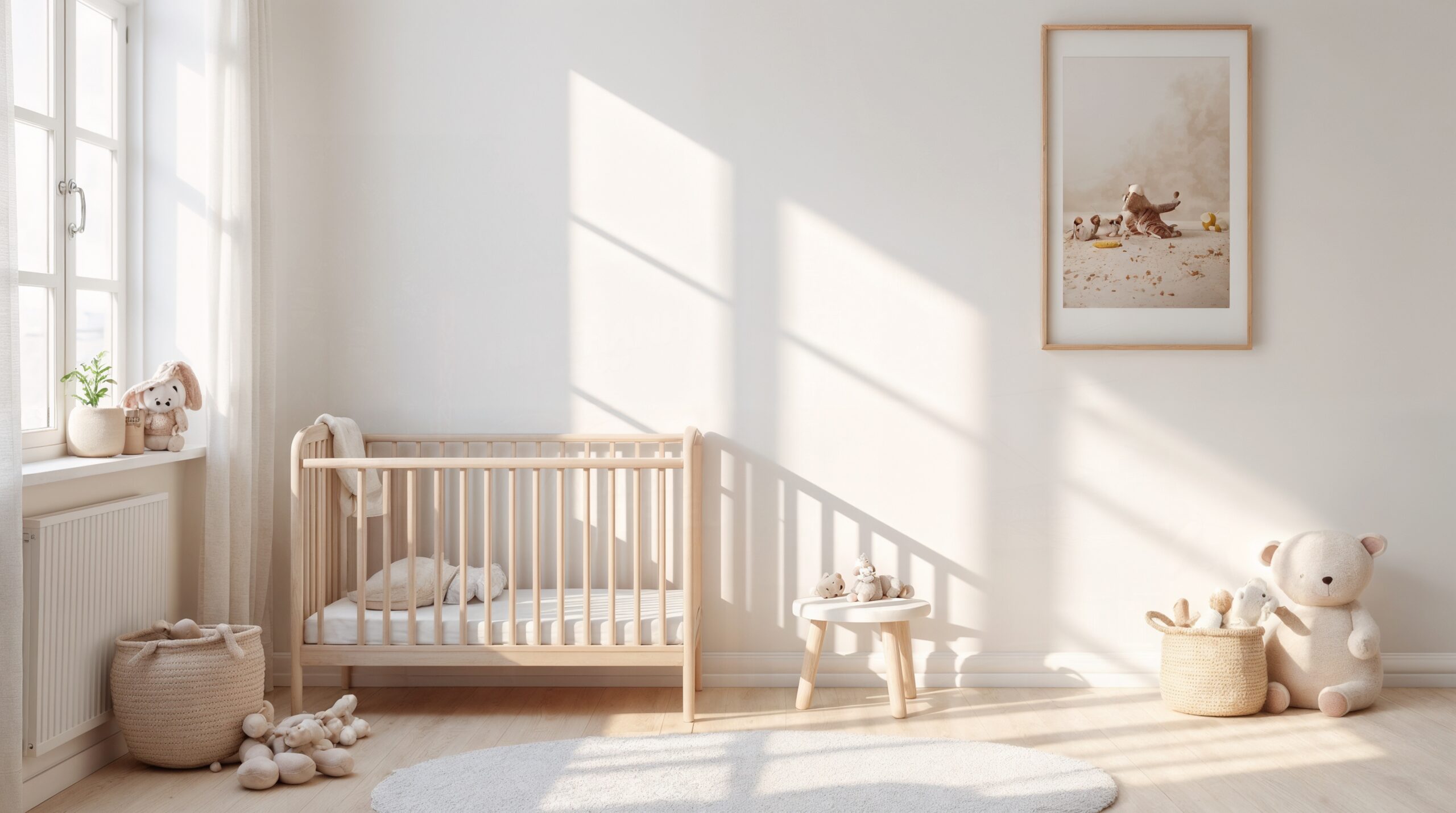
Take baby items, for example. Your firstborn might have grown out of the cot, bouncer and pram, but you plan on welcoming a second child in the future. Where do these items go that don’t currently serve their purpose but will come around again soon? The same can be said for seasonal clothing, such as coats and sports equipment, such as skis or surfboards.
Seasonal rotation is one of the simplest ways for creating a minimalist home and reducing clutter without making sacrifices. These items can be stored off-site in a storage unit, making it easier to keep only what you need right now within reach.
Smart-home integration
Typically, when decluttering, you might not necessarily think about the technology in your home and how this could be contributing to friction and your mental load. We’re talking messy cables, too many recorded programmes on your TV planner that you’ll never watch and one too many remote controls.
An obvious solution? Choose fewer, better devices. There’s often no need for lots of gadgets. Instead, opt for a small number of high-impact upgrades. For the tech that you do decide to hang onto, do your best to ensure that it can blend into your home. Whether that’s neatly wall-mounting them, tucking them away and avoiding that dreaded cable sprawl and surface-level charging chaos. Opt for short cables where possible for less slack and mess, and keep one labelled box for spare cables and get rid of the rest.
Smart tech that will declutter your life could include smart lighting with timers to suit your morning, evening and wind-down routines, along with smart heating controls that reduce the need to constantly ‘fiddle’ with temperatures.

Create tech-free zones
Whilst we’re not rejecting technology in the home, there’s certainly a place for it and areas that work better without it. Tech pulls your attention, and sometimes, a tech-free zone is essential for rest, conversation and uninterrupted focus. A tech-free zone creates a clear boundary and sets the tone that a space is for being present.
So, where in your home works best as a dedicated tech-free zone? Start with:
- The bedroom – if you choose only one space, let it be this one. This should be a sleep-first space, rather than a second living room. The key to great sleep is a tech-free, distraction-free and intentional space
- The dining area – meals are a great opportunity to catch up and connect with your loved ones. It’s best to remove tech that hinders this!
- A work-free, wind-down zone – this could be your living room or a cosy corner that allows you to curl up with a book or essentially do anything away from any emails or admin.
A tech-free zone can feel a little intimidating. It only works if you actually want to spend time there. Instead of making it empty, make it inviting. Choose a comfortable chair and a cosy throw, lighting that sets the mood of slowing down and switching off, and grounding objects such as candles or art.
Creating a minimalist home in 2026 isn’t about owning nothing. It’s about owning intentionally, setting boundaries and designing your home to support how you want to live. If you’re short on space but craving the minimalist life, self sstorage can help you keep what matters without letting it take over your day-to-day environment. Adopt a simple system – essentials at home, seasonal or occasional items stored safely – and you’ll find it much easier to maintain a calmer home long-term.
Find out more about our personal storage services or get a quote today from your local Magenta Storage site.