


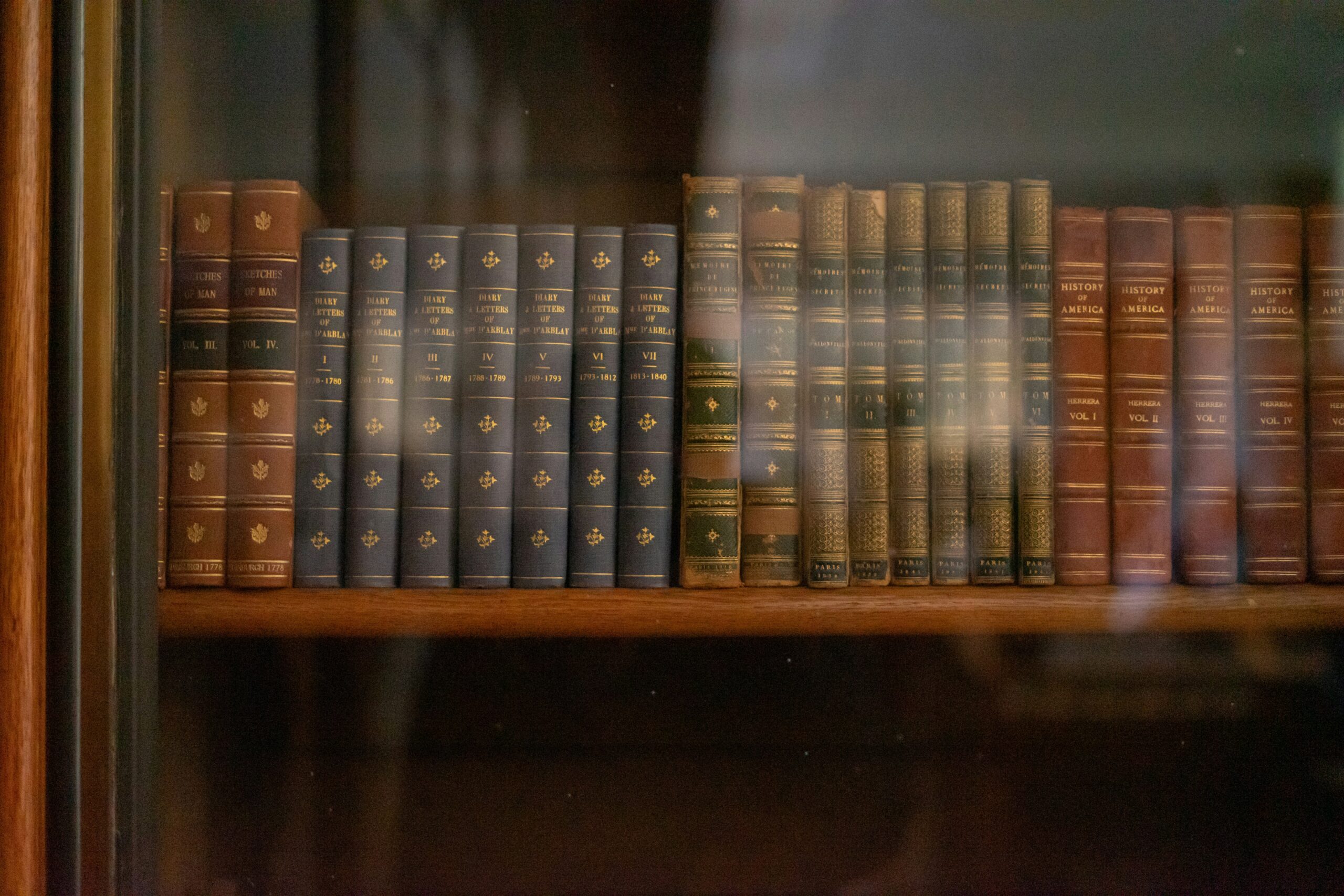
For book lovers and antique collectors alike, few things feel as special as an antique book, steeped in history and full of intrigue about the hands that turned its pages decades, or even centuries, ago.
There’s a reason why many copies of books are still standing over 100 years after being produced. They survive because, for generations, people have noticed their fragility and chosen to care. If you’re wondering how to preserve antique books, it’s important to know that preservation is less about products and more about the right conditions.
In this guide, we’ll walk you through how to store antique books in the best way, from UV exposure, humidity and shelving tips. It might sound complicated, but the good news is that you don’t need a climate-controlled vault and a pair of white gloves to keep old books in good condition!
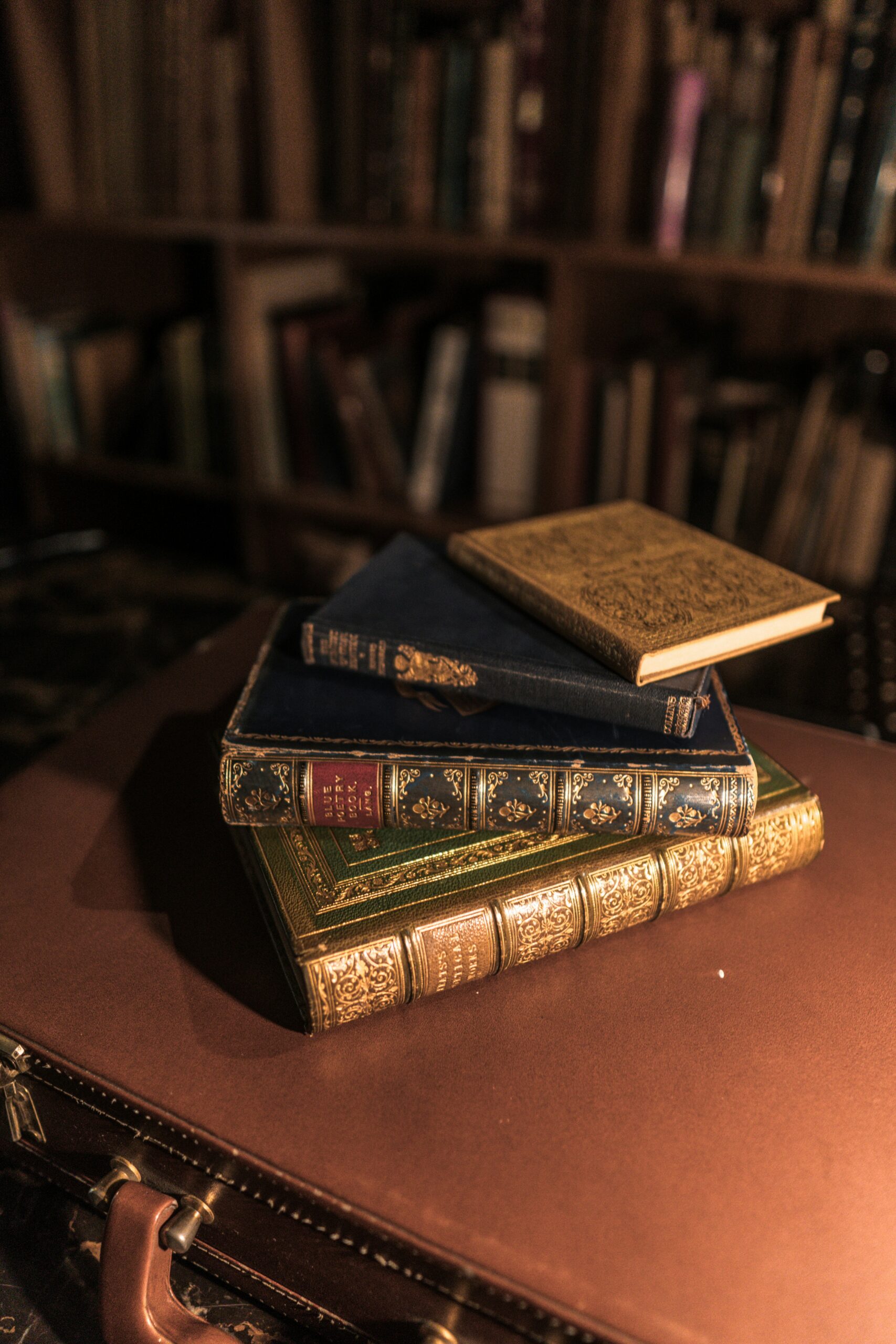
What damages old books most?
So, what are the main things to avoid? The main culprits in the deterioration of books are:
- Light and UV exposure
- Moisture fluctuations
- Heat
- Dust
- Pests
- Bad shelving and tight packing
Throughout the rest of the article, we’ll discuss these factors in more detail.
Moisture fluctuations
Yes, humidity damages books, but often, it’s the fluctuations that can cause the most damage. Paper and boards expand and contract as moisture changes, which can cause warping, rippling pages, loosened joints and even potentially mould growth. Stability is key.
Location first
If you’re wondering where to start when considering how to preserve antique books, location is an ideal jumping-off point. Interior rooms are preferred, away from exterior walls and stable temperatures. The worst possible rooms that you could choose to store antique books are attics, basements and garages. That’s because these are the places with the biggest fluctuations in temperature and moisture. Attics get extremely hot in the summer and extremely cold in the winter, plus they are prone to damp, which can lead to mould or staining.
Basements and garages are naturally damper, and books will just absorb that moisture, making pages ripple and warp and increasing the risk of mould. These locations are easier for pests to access, plus, floods, seepage and pipe leaks can be deadly to an antique book collection.
Consider a self storage unit
If you’re struggling to find a suitable location in your home to store your antique books, a self storage unit can actually be a safer long-term home for them. The unit must have an element of climate control, away from environmental extremes. This means that interior units in interior corridors are the perfect option, as opposed to outdoor, drive-up units. Indoor self storage units can provide a cool, dry and stable environment for old books to thrive.
Control the temperature
Wherever you’ve decided is the perfect place to store your antique books, it’s important that you control and monitor the temperature. For the most part, that means keeping books away from hidden hazards such as radiators, fireplaces and air conditioning units.
Kitchens and bathrooms are also hidden hazards, as they are prone to temperature fluctuations with ovens, fridges, taps and showers all in use. Also consider their proximity to windows, skylights and vents.
Essentially, a stable room is the foundation of how to store antique books safely. Temperatures of 13-19 degrees Celsius are ideal, but most UK homes are typically warmer than this. If so, a range of 19-21 degrees Celsius is still an acceptable temperature, so don’t worry and feel like you need to suffer through the winter months with the heating turned down! Just avoid heat spikes and keep it steady.
Light and UV exposure
It will likely come as no surprise that light fades inks and dyes. However, when it comes to books, it also accelerates chemical breakdown in paper and cloth. This leaves pages weaker and more fragile. Plus, direct sunlight can potentially raise the local temperature, and, as we’ve discussed, heat is not good for antique books!
So, rule number one is to keep antique books out of direct sunlight. If you’re really serious about book preservation and are finding it hard to avoid sunlight, a UV filter film can be applied to window panes to help.
It’s also not always just natural sunlight that you need to be mindful of. Artificial lighting can also have an impact. Use low-UV LED light bulbs in the room where you store your books and avoid halogen bulbs. Make sure that the lights are off when they’re not in use. This is a key part of how to keep old books in good condition.
Say goodbye to dust, pests and mould
Dust, mould and pests tend to work slowly, so it’s important to pick up on problems before they become a problem.
Dust is the enemy of antique books. It holds moisture, feeds mould and promotes pests. So, get that duster out, or a soft brush, and keep those shelves clean! Avoid using harsh cloths or sprays. Household cleaners are no friend to a bookshelf where residues or fragrances can transfer to book materials.
Books aren’t a major target for pests, but that’s not to say that we shouldn’t remain aware of the damage that they can potentially do. Pests can be attracted to starches in paper, glues in binding and the dark places that books are often stored in. It’s another reason to keep the area where you store your books nice and clean. Don’t eat or drink around your books because crumbs and spills will naturally invite pests. Keep an eye on the area and inspect regularly.
Mould needs two things to thrive: moisture and time. Therefore, keep your storage area dry and catch early signs before growth spreads. Trust your nose – an earthy smell is never a good sign and is often the first indicator that something might be wrong. Inspect regularly for small, fuzzy patches, powdery residue or speckled staining on paper. If you do spot any of these things, move the book away from the others immediately to avoid spreading.
How to keep old books in good condition on your bookshelves
You might be wondering what the best bookshelf set-up for your old books looks like. The number one rule is that the book’s structure must be supported. Proper shelving is a surprisingly important part of how to store antique books without stressing the binding. Overcrowding is an issue, so give your books as much space as possible to breathe. Most books can be stored upright, properly supported with bookends – avoid leaning. Oversized, heavy and fragile spines are better left stacked flat.
You may not have considered that the material of your shelf can also play a part. Sealed or finished wood (painted, varnished, laminated or otherwise properly coated) is generally safer than raw, unfinished wood. If you do have bare wood shelves, add a shelf liner for a layer of protection between the book and the timber.
Alternatively, metal shelving is a good option. It’s stable and less prone to mould. Just watch out for rust (uncommon with powder-coated or painted metal) and avoid placing books where they’ll be exposed to condensation in cooler rooms.
When taking books off your shelf, always grip the middle rather than pulling from the top of the spine. Pulling a book by the top of the spine concentrates force on the weakest, most vulnerable parts of the binding. Gripping the middle supports the book more evenly.
Remember, you’re not just storing books. You’re extending their timeline. All you really need is a stable environment, a careful eye and some know-how and dedication in order to honour their history in the way that they deserve.
If you’re concerned that your home might not be the right place to store and preserve your antique books, get in touch with us at Magenta Self Storage about our personal self storage solutions. Our interior self storage units can be the ideal place for your collection to call ‘home’, and we’ll work with you to ensure that their environment remains stable and safe. Get a quote from your nearest Magenta Self Storage location today.